Portland, OR. Throughout the COVID-19 pandemic, the Union Gospel Mission (UGM) of Portland has successfully maintained the health of current residents while continuing to provide portable meal containers to the community safely via the front door.
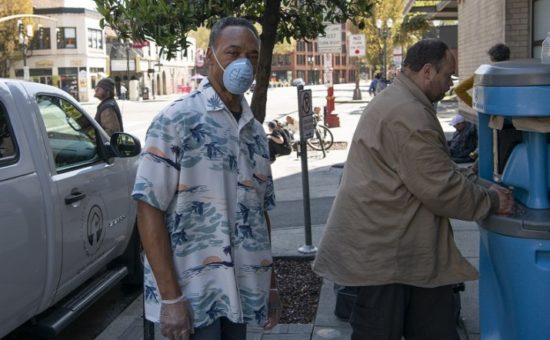
The Union Gospel Mission set up a handwashing station outside its building
“We shut the inside services down and did safety protocols to keep all of the men inside COVID-free. And praise God, we haven’t had any infections inside,” reported Bill Russell, who has overseen operations of Portland’s UGM and Lifechange – an affiliated service – for over 30 years. The inside game room and evening services at the 3rd-Avenue location are typically staffed by the 30-50 men undergoing residential recovery from trauma or substance abuse.
Adapting services to meet health regulations still comes at a cost for UGM’s bottom line: connection. “It thins out what we do. Our whole philosophy of the program is to care for people in order to connect with people and coach them.” Russell explained. “It’s been harder to build trust with just the food program, to have the conversations and relational building that’s necessary to build trust…The very concept of wanting to get people to connect is really challenged when you have to maintain six feet of distance and wear a mask.”
Establishing this trust organically has always been a priority for UGM’s volunteer “Search and Rescue” team, who normally go out in the community to get to know residents at local camps like “Right 2 Dream”. A second team provides rides to medical and housing appointments the following day if they discover a need.
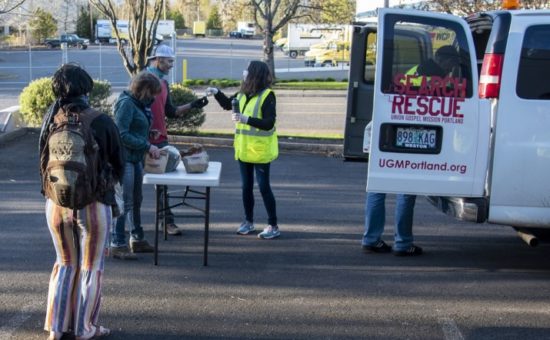
UGM’s Search & Rescue team distributes meals safely with social distancing
Russell noted, “A year ago we were moving one person a week out of homelessness into some kind of either program or shelter that led into housing, so there was a pretty good flow. This year, COVID has caused a real lockup on the available places to go. We’ve placed more women with kids out of camps, but single adults have been fairly stuck in place with COVID… It’s really been a game-changer.”
Russell predicts that the economic downturn will generate more need for affordable housing, adding, “We need many more allies.” Those interested can look online for volunteer opportunities or sign up to give monthly.
On June 9th, UGM reopened its thrift store for retail shopping and are accepting donations. Face coverings and social distancing are required to ensure the safety of guests and volunteers, and hand sanitizer is provided throughout the store. UGM has requested that clothing donations be sealed in plastic bags upon arrival.
From the Union Gospel Mission’s website:
FEEDING THE HUNGRY, RESTORING THE ADDICT AND LOVING OUR NEIGHBOR. SINCE 1927.
Union Gospel Mission provides more than 250,000 meals a year to the homeless and people in need. In addition to meals, the Mission provides food boxes, a day room with coffee and snacks, clothing, hygiene items, referral services and emergency cold weather shelter to the homeless.
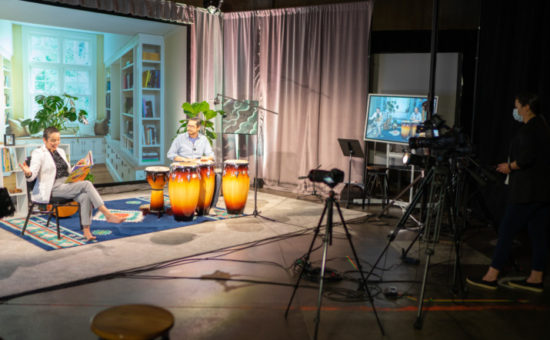
Portland, OR. “Kids are at home, parents are home-schooling, and we believed we could help,” explains Norman Hunyh, the Associate Conductor of the Oregon Symphony. It was because of the dearth of summer activities for kids that Symphony Storytimewas born. In each episode of the new virtual series, a narrator reads a classic children’s book while members of the Oregon Symphony provide background music and sound effects. Assistant Principal Oboist Karen Wagner and host Amy Haroldson (seen in the photo above) tell the story of a “Top Cat” who doesn’t want to share his house and favorite things. (photo credit, Jacob Wade).
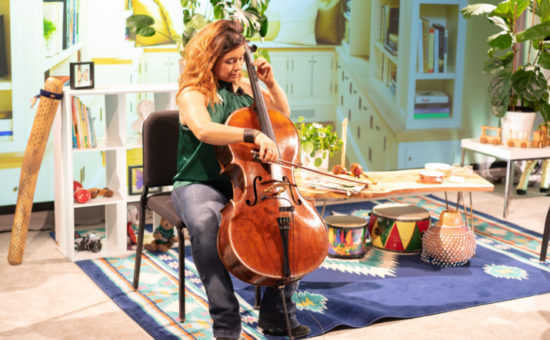
A lesson on the featured background instrument makes these 15-minute episodes both entertaining and educational. On June 25, the first episodes of Symphony Storytime were released. One was called “Mole Music,” and features the Cello. When Mole finally learns to play the violin, his music has an effect more magical than he will ever know. Written by David McPhail. Hosted by Amy Haroldson and featuring Marilyn de Oliveira, assistant principal cello.
Assistant Principal Oboist Karen Wagner and host Amy Haroldson perform for the Oregon Symphony’s new children’s program, Symphony Storytime (Jacob Wade).
Hunyhprovided the artistic vision for Symphony Storytime by setting educational objectives and establishing the flow of each piece, among other responsibilities. Hunyh described this project as “new and exciting territory”.
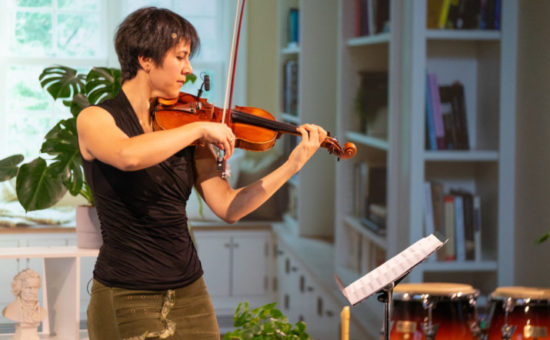
Assistant Principal Second Violinist Inés Voglar Belgique (Jacob Wade)
Assistant Principal Cellist Marilyn de Oliveira (Jacob Wade)
Each story was chosen because it meant something special to the musicians.
“I really like [Mole Music] because it talks about how music changes Mole’s life, and it also shows us how music can change the world around us,” says cellist Marilyn de Oliveira in the first episode.
Guitarist and vocalist Edna Vazquez and percussionist and host Sergio Carreno maintain social distance on set. Hunyh’s top priority was the health and safety of musicians and staff. (Jacob Wade)
Many participants in the project are native Spanish speakers, such as guitarist and vocalist Edna Vázquezwho performs in the Symphony Storytime episode “Necesito un Abrazo”, which helped inspire the creation of unique Spanish episodes. The Spanish episodes are not translations of the English episodes, rather their own stories, intended to support and engage the Latinx community.
Symphony Storytime’s first release included “Mole Music”, “Top Cat”, and “Goodnight Bob”in English featuring cello, oboe, and percussion, respectively.“Necesito un Abrazo” and “Ve, Perro. ¡Ve!”were released in Spanish, featuring guitar and violin. More episodes will be released on July 2 and July 9.
The power of music to unite and inspire is boundless. Music lifts us higher on our most joyful days, and draws us together in challenging times. As soon as it’s safe, we’ll be back – performing for you in our concert hall and reaching out to children and adults across our region.
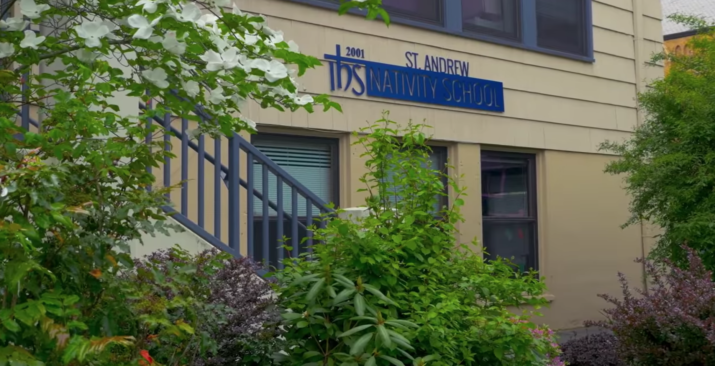
Portland, OR.Students from St. Andrew Nativity School are organizing a peaceful protest on Father’s Day, Sunday, June 21st. Students will march in support of Black Lives Matter from their school at 4925 NE 9th Ave to a local police precinct. The protest will begin at 2 P.M. and masks are required. Students say they’re are marching on Father’s Day to honor the fathers who have been killed due to police brutality.
St. Andrew Nativity School is a tuition-free private middle school serving students and families from low-income backgrounds in NE Portland. The peaceful protest is aimed at raising awareness about the death of George Floyd, Ahmaud Arbery, Breonna Taylor, and the many others who have been affected by racism and police brutality in America.
St. Andrew Nativity School is a Catholic and Jesuit middle school dedicated to offering an academically challenging curriculum in a highly structured environment students of all faiths.
From St. Andrew Nativity School:
Students from Nativity School are organizing this protest in honor of the many Black lives who are fighting for freedom and the safety of the next generation. Please join us in the fight for freedom and equality.
St. Andrew Nativity School is Oregon’s only tuition-free, private middle school for low-income students. Located in NE Portland, just off 9th and Alberta, Nativity School offers a challenging academic program that prepares students for college preparatory high schools. 92% of Nativity School students go on to graduate from high school and 88% go on to attend college.
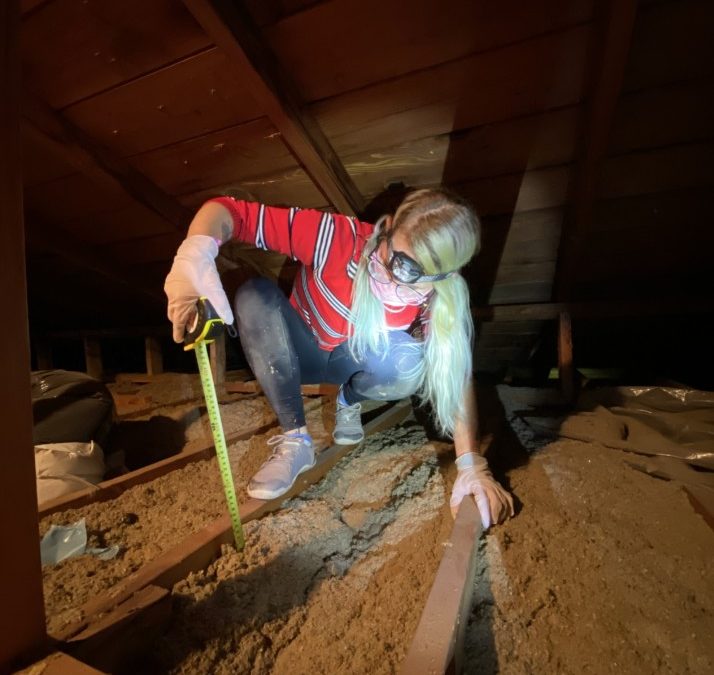
Portland, OR. Community Energy Project Home Energy Score Assessor, Jackie Zusi-Russell maintains social distance while evaluating client’s homes, but she’s still working to determine their energy score. Community Energy Project (CEP) has been educating and aiding homeowners in the greater Portland area for over the past 40 years. In wake of the COVID-19 pandemic, CEP has been forced to adapt.
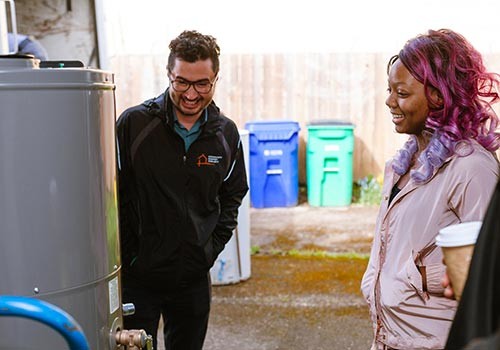
In-Home Auditor Geoff Fey works with a homeowner installing a water heater before quarantine began.
In-person home services are being provided, with a larger focus on exterior work to maintain social distancing. Heightened safety procedures require workers to wear gloves and masks with high enough quality to filter out asbestos. HEPA (High-Efficiency Particulate Air) vacuums are also used during interior services to help filter the air.
With more people stuck at home during quarantine, CEP is placing a larger focus on ventilation and filtration systems.
“Home is thought to be the first line of defense,” said Development Director Cameo Konfrst.
Programs are typically directed towards seniors and those with disabilities. Low-income homes are also able to apply for free supplies and services. As paid programs have taken a hit, however, it becomes more difficult for CEP to fund free programs.
Community Energy Project supports inclusivity, placing emphasis on serving a diverse community, according to their 2018-2019 Equity Report.
Konfrst urges people to invest more in local nonprofits such as CEP instead of national, stating that smaller, local nonprofits can adapt more easily to the unique situation of a given area.
As a result of the economic downturn and the COVID-19 pandemic, society is hurting worst at the bottom, and that is where CEP is focusing.
Workshops that were previously held in person have become virtual, but it is more difficult for CEP to reach their audience in comparison to other nonprofits. Low-income families do not all have the means to go digital. Workshops are being repeated at various times to help reach a wider audience. A calendar of events and registration are available on the CEP website.
From Community Energy Project:
By empowering people with information and tools and facilitating connections to resources, we can increase the capacity of our community to address many home, environmental, health, comfort, and safety issues while conserving natural resources.
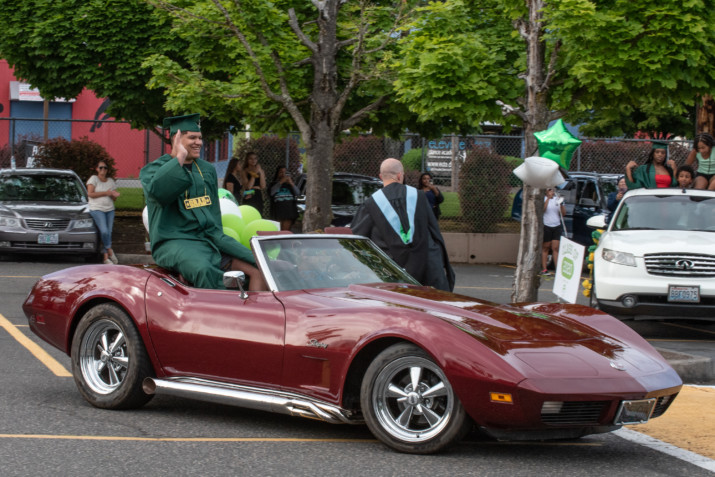
Portland, OR. High schools and universities have had to get creative with this year’s graduation ceremonies. Edison High School, in Beaverton, held its first-ever “car graduation ceremony” on May 29th. The ceremony started with a procession of staff members and students with their families.
Edison Graduation Coordinator Rachel Hansen ready to lead the graduate parade.
The car parade had all twenty-four graduating seniors. The graduating class of 2020 found it a fun way to honor social distancing during the COVID-19 pandemic.
Edison staff cheer on graduates from the sidewalk.
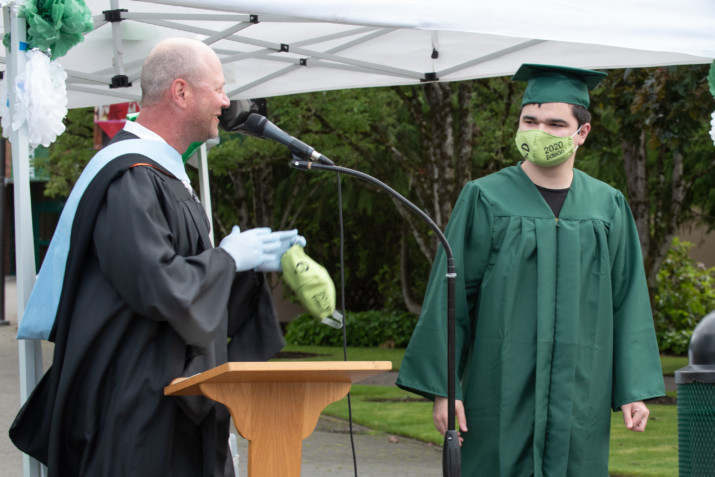
Seniors hopped out of their cars and were greeted by Principal, Jason Wold.
Edison Principal Jason Wold hands out diplomas with his face mask and gloves.
Despite unusual circumstances, the students were allowed to celebrate with friends, families, and teachers who offered congratulations to the graduating class of 2020.
From Edison High School:
Edison exists to empower students with learning differences to experience academic success and personal growth while preparing them for a productive future.
Portland, OR. While nonprofits are forced to adapt to survive during this period of uncertainty and social distancing, the Children’s Healing Art Project (CHAP) is successfully moving and maintaining outreach programs in the virtual world. “We believe that art heals and we could use some healing right now,” explains Barb McDowell, Executive Director.
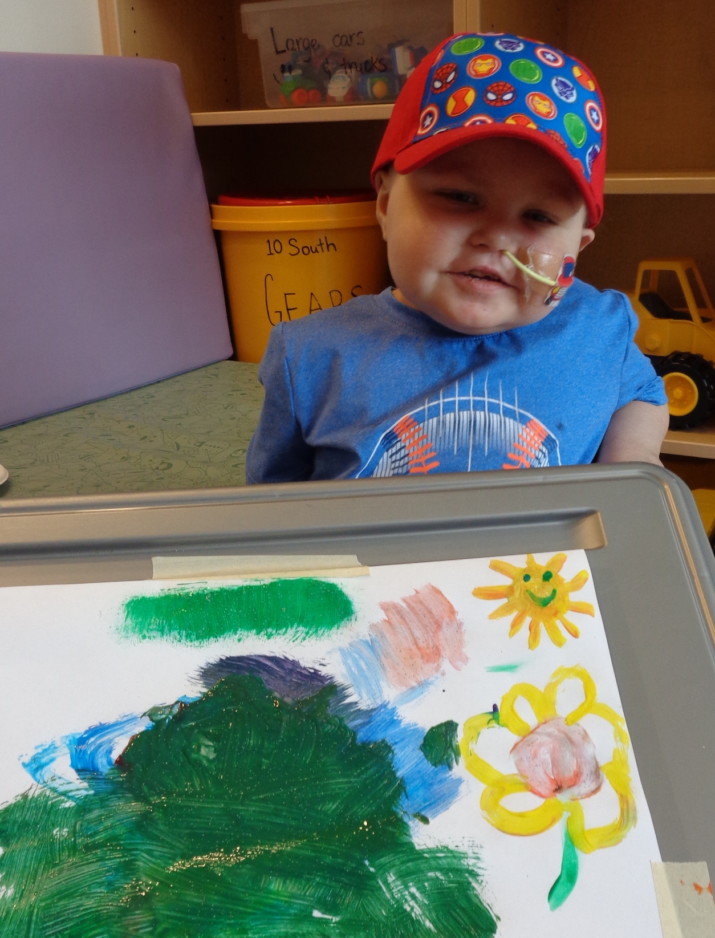
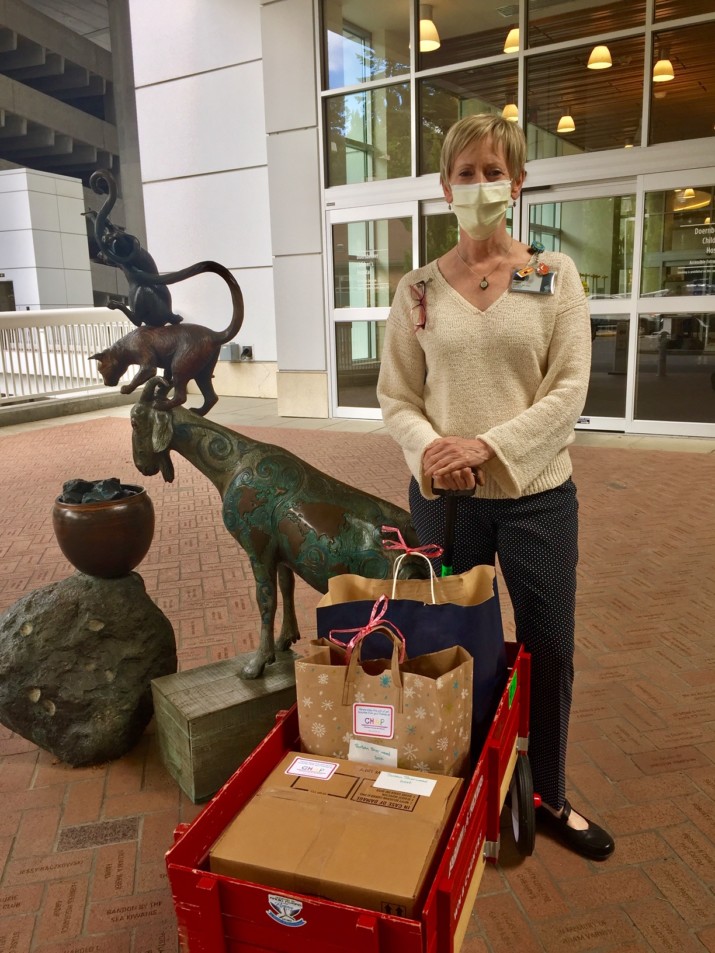
One way administrators continue to reach children in hospitals is through care package drops.
Prior to the COVID-19 pandemic, CHAP’s main campaign revolved around bringing art supplies and artists to hospitalized children across Oregon, allowing them to express themselves and have fun despite their hardship and potential disabilities. As businesses and organizations were forced to close their doors during the COVID-19 pandemic, CHAP had to re-imagine its goals within the framework of online chat rooms and virtual hangouts.
Susan Sherwood, Child Life Specialist for OHSU Doernbecher Children’s Hospital, provides free packs filled with art supplies to the children for them to enjoy in their rooms/beds.
The crates of art supplies can be sanitized by hospital staff to allow the kids the tools and ability to paint, draw, or otherwise express themselves despite strict social restrictions inhibiting organizations like CHAP from visiting and in-person deliveries.
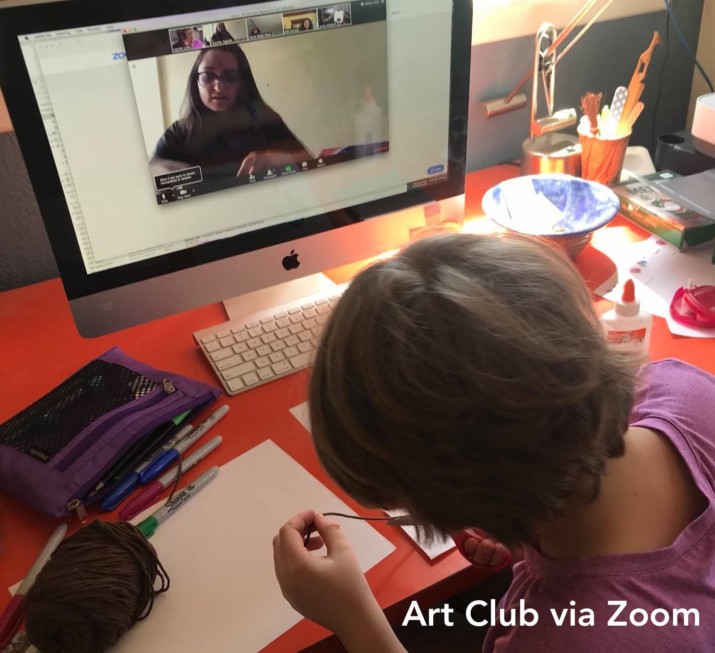
Further, CHAPs has created online art clubs through services such as Zoom and Facebook Live that allow children and their parents to virtually attend together while working on art projects that require only common household materials. The move to online has been very popular among CHAP’s patrons who are primarily families stuck at home or in hospitals during this precarious time. This summer they will also be holding online art “summer camps” for the kids by delivering boxes of supplies beforehand and working with local artists and teachers who wish to participate.
CHAP now hosts 2 Art Clubs for children with medical challenges each week via Zoom to keep the CHAP families connected and the creativity flowing.
If you’d like to donate to CHAP you can do so here. If you’d like to watch a short video on them and see what they’re all about, you can watch it here.
About the Children’s Healing Art Project:
At CHAP, children are known for their creativity and ingenuity — not by their disease, diagnosis or disability.
Our innovative and inclusive healing arts programs are provided free of charge to children, teens and families affected by pediatric illness, disability or special need. CHAP provides Oregon’s only in-and-out of hospital interactive healing arts program for children facing any medical issue.
Portland, OR. While December continues to be the largest month for charitable giving, 2018 gave way to the biggest shift in distribution across other months. In 2017, approximately 18.2% of giving took place in December and this shifted to 17% in 2018, according to a report by Blackbaud. June has continued to be the second-largest giving month of the year, which aligns with the end of the fiscal year for many nonprofit organizations. Meals on Wheels People, pictured above, like many nonprofits, continues to need support.
In 2018, overall charitable giving in the United States increased by 1.5% on a year-over-year basis. Large organizations grew by 2.3%; medium organizations increased 2%; and small nonprofits experienced a decrease of 2.3% compared to the same time period in 2017. Since 2016, overall giving has grown 9% and giving to Foundations grew 5% over the same three year time period.
Online giving grew 1.2% in 2018 compared to 2017. Large organizations had a decrease of 0.5%; medium-sized organizations grew 3.7%; and small nonprofits grew 0.7% on a year-over-year basis. Since 2016, online giving has grown 17%, and average online gift amounts have continued to increase. The percentage of total fundraising that came from online giving once again reached another record high in 2018. Approximately 8.5% of overall fundraising revenue, excluding grants, was raised online. In 2018, 24% of online transactions were made using a mobile device.
This is the continuation of a growing trend we have measured over many years now. Arts and Culture organizations had the largest growth in both overall and online giving during 2018. Animal Welfare, International Affairs, Higher Education, and Public and Society Benefit organizations also experienced significant growth in overall giving compared to 2017. Public and Society Benefit, Healthcare, and Faith Communities also had growth in online giving in 2018. 2018 continued the longest sustained period of charitable giving growth since the last recession.
There are several key trends shaping charitable giving that are highlighted here. First, charitable giving in the United States is returning to normal levels following two years of significant growth. Second, online giving is entering a new phase where mobile and other digital channels continue to change how donors engage with nonprofit organizations. Finally, giving to Foundations and Donor Advised Funds (DAFs) continues to grow in response to supporter preferences and changes in incentives. A 36-month view of fundraising from the same organizations reveals a 9% growth in overall giving and a 17% increase in online giving. When we take a broader view, spikes in giving during 2017 gave way to more normal growth rates in 2018. There is a tendency to want to identify a single reason for shifts in giving, but that is not how the philanthropic ecosystem works.
The digital marketing firm for nonprofits, Blackbaud, released this finding in its 2018 Charitable Giving Report.
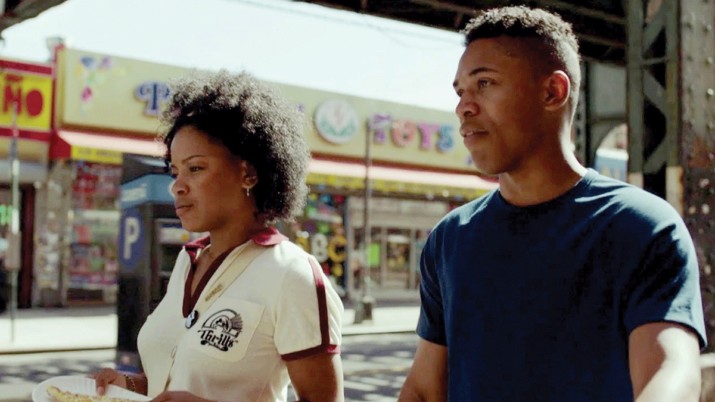
Portland, OR. The Northwest Film Center and the Portland Art Museum (PAM) continue their virtual offerings like the YouTube viewing of the film Monsters and Men, (pictured above) directed by Reinaldo Marcus Green.
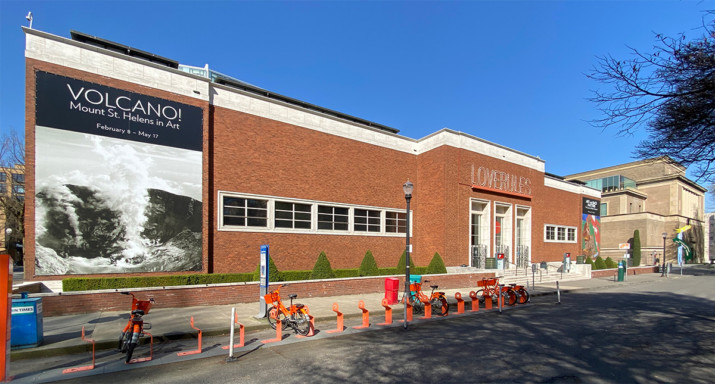
PAM leaders say they’re also creating a plan to reopen. For the past three months, the Portland Art Museum has been closed due to COVID-19. Now head of visitor services, Lisa Hoffman is announcing a plan to reopen. Beginning July 16th, the Museum will reopen some of its galleries and welcome a limited number of visitors. The popular Volcano! and Art and Race Mattersexhibitions will now be extended through the end of the year. Exhibits that were slated for the summer and fall, including Frida Kahlo, Diego Rivera, and Mexican Modernism and Ansel Adams in Our Time, will open at later dates.
Over the summer, more galleries in the museum will be reopened as conditions allow.
The museum still has many virtual options in the meantime:
Here’s more information about The Northwest Film Center’s virtual screening of Monsters and Men, directed by Reinaldo Marcus Green. The film, Monsters and Men is screening for free on YouTube via NEON.Monsters and Men is an important cinematic attempt to reckon with one of the central challenges of our moment and it’s free.
Portland Art Museum:
The mission of the Portland Art Museum is to engage diverse communities through art and film of enduring quality, and to collect, preserve, and educate for the enrichment of present and future generations.
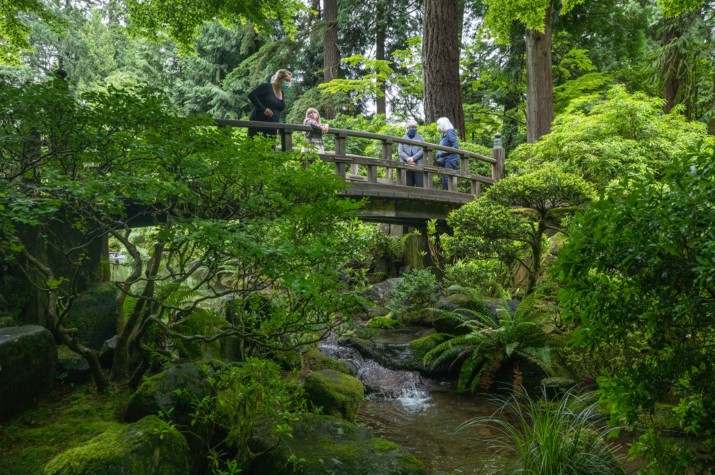
Portland, OR. The Portland Japanese Garden reopened to the public on June 11th. According to Garden leaders, it’s the first of the cultural organizations in Portland to reopen and could not come at a more important time.
Using guidelines for outdoor recreation areas issued by federal and state health authorities, Portland Japanese Garden leadership says it is following best practices for guest and employee safety. Among the new safety adjustments are timed entry admissions, one-way routes through the Garden, and limiting the number of people in spaces.
Founded shortly after the end of World War II, the organization is dedicated to ideals of peace and cultural understanding. “We were established specifically to cultivate inner peace as well as peace between peoples and cultures,” said CEO, Steve Bloom. “Between the coronavirus, the economy, and the heightened awareness around pervasive racial injustice, there are a lot of personal and social challenges everyone is working through. We stand with Black Lives Matter because we recognize that people of color have borne a disproportionate share of these hardships and we reaffirm our organization’s values of inclusivity, anti-racism, and cultural understanding.”
The Garden closed to the public March 19th just before Governor Kate Brown issued stay-at-home orders. Since then, the garden was unable to earn revenue from ticket sales, therefore temporarily laid off nearly 90% of its staff while Through the closure, the Japanese Garden continued to post “One Minute of Serenity” videos as a way to share some much-needed calm during an uneasy time. Now with the reopening, the Garden hopes that those who are able to leave home will come back to the Garden early and often to support and sustain it. “Portland is an incredible city and places like Portland Japanese Garden are what makes it so special,” says Bloom. “We are here for the community and because of the community. It’s community support that makes our existence possible.”
Portland Japanese Garden is a nonprofit organization originally founded in 1963 as a place for cross-cultural understanding following World War II. A hallmark in the City of Portland, the Garden was founded on the ideals of peace and mutual understanding between peoples and cultures. Portland Japanese Garden is considered the most authentic Japanese garden outside of Japan and the foremost Japanese cultural organization in North America.
Portland, OR. You can’t see kids shoulder to shoulder learning at the Hoyt Arboretum this summer, but there’s still lots to do. Although the Visitor Center is closed, the Hoyt Arboretum trails in Washington Park remain open from 5 A.M. to 10 P.M. every day. Online workshops replace the usual programs due to the COVID-19 pandemic.
Programs include Birding by Ear, Virtual Nature Journaling, and Exploration Wednesday.Birding programs have become the most popular, according to Anna Goldrich, Executive Director of Hoyt Arboretum Friends. Where the classroom in the Visitor Center could only host up to 15 people, around 50 have been logging on to the virtual birding program.
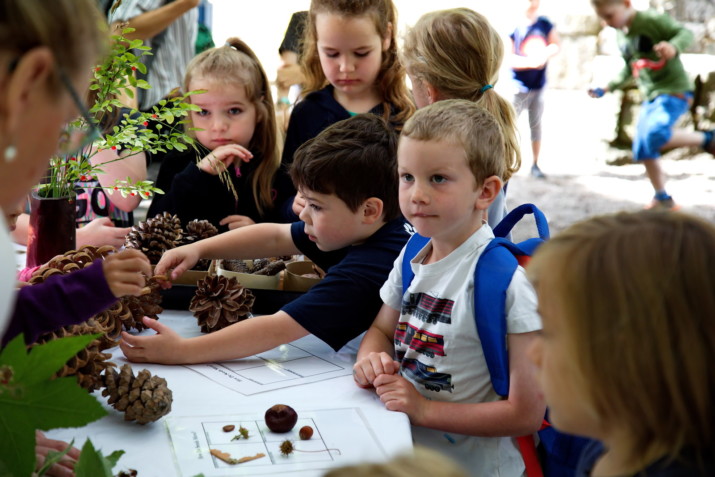
The youth program “TreeTime!” geared toward two to six-year-olds, has also moved online. The program schedule remains the same, taking place at 10 A.M on Mondays. Instead of walking through the park, however, the meeting takes place on Zoom.
Event calendars and sign-ups are located on the Hoyt Arboretum Website.Access to programming is payable on a sliding scale to accommodate those facing financial difficulties.
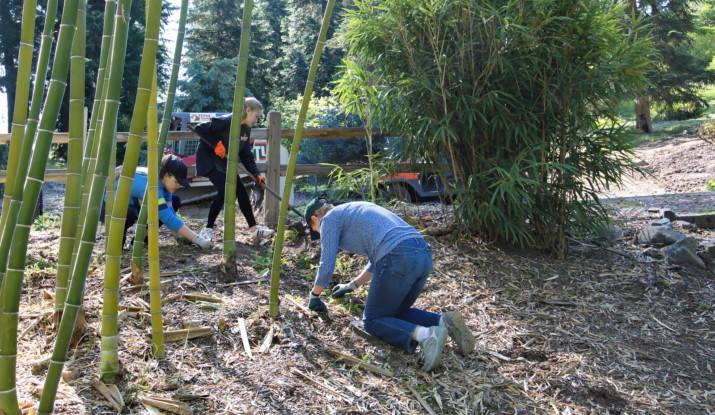
Volunteers trimming bamboo during a previous work party (Photo credit, Hoyt Arboretum)
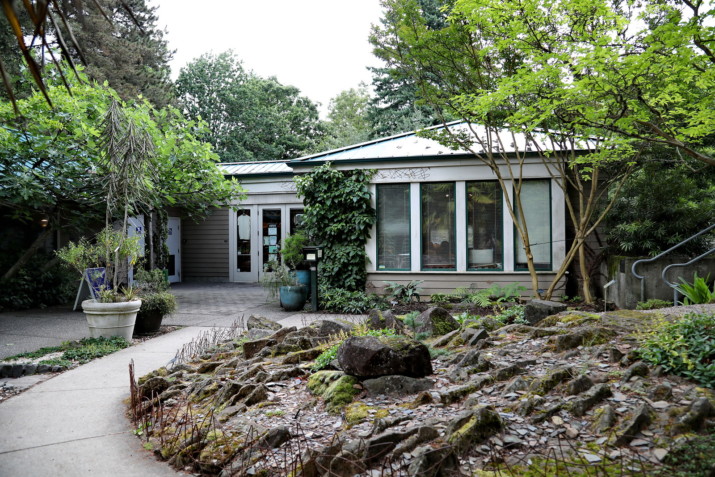
The visitor center is currently closed to the public.
Memberships have recently increased in appreciation for Hoyt Arboretum’s virtual programs. Without the Visitors’ Center gift shop, wedding rentals, and field trips, Hoyt relies more heavily on members and donors. While funding sources diminish, expenses riseto maintain the park. In normal circumstances, approximately 2000 hours of volunteer work would have taken place between April and June. Hoyt must now divert funds toward landscape work and equipment.
From Hoyt Arboretum:
Portland’s museum of living trees, Hoyt Arboretum thrives thanks to a long-term partnership between Portland Parks & Recreation and the nonprofit Hoyt Arboretum Friends. With over 6,000 trees and 12 miles of trails free and open to the public year-round, the Arboretum is maintained by a dedicated community of volunteers and members. A beautiful destination for recreation, it’s also an important resource for education, research, and conservation.
NONPROFIT BENEFIT TICKET GIVEAWAYS!
Sign up for our free weekly highlights for the chance to win two tickets terrific nonprofit events! If you "like" us on facebook, or sign up for our weekly news highlights, you'll be entered to win! Sign up today!
Look for another ticket giveaway soon! Are you a nonprofit looking to bolster your publicity with facebook and tweets? Email us and we'll run a contest with tickets to your event! [email protected]